“We already have a flame retardant solution, so we’re all set.”
I can’t tell you how many times we’ve heard that from engineers and technicians who are tasked with making sure their battery packs are safe, effective, and long-lasting.
Flame retardant has had the reputation for being the gold standard in proactive battery safety for many years, but the truth is that it only solves half the problem: preventing thermal runaway.
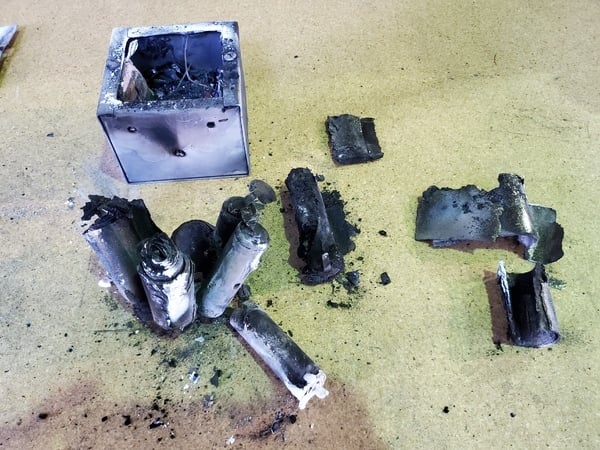
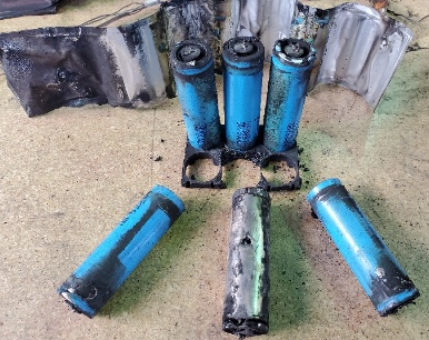
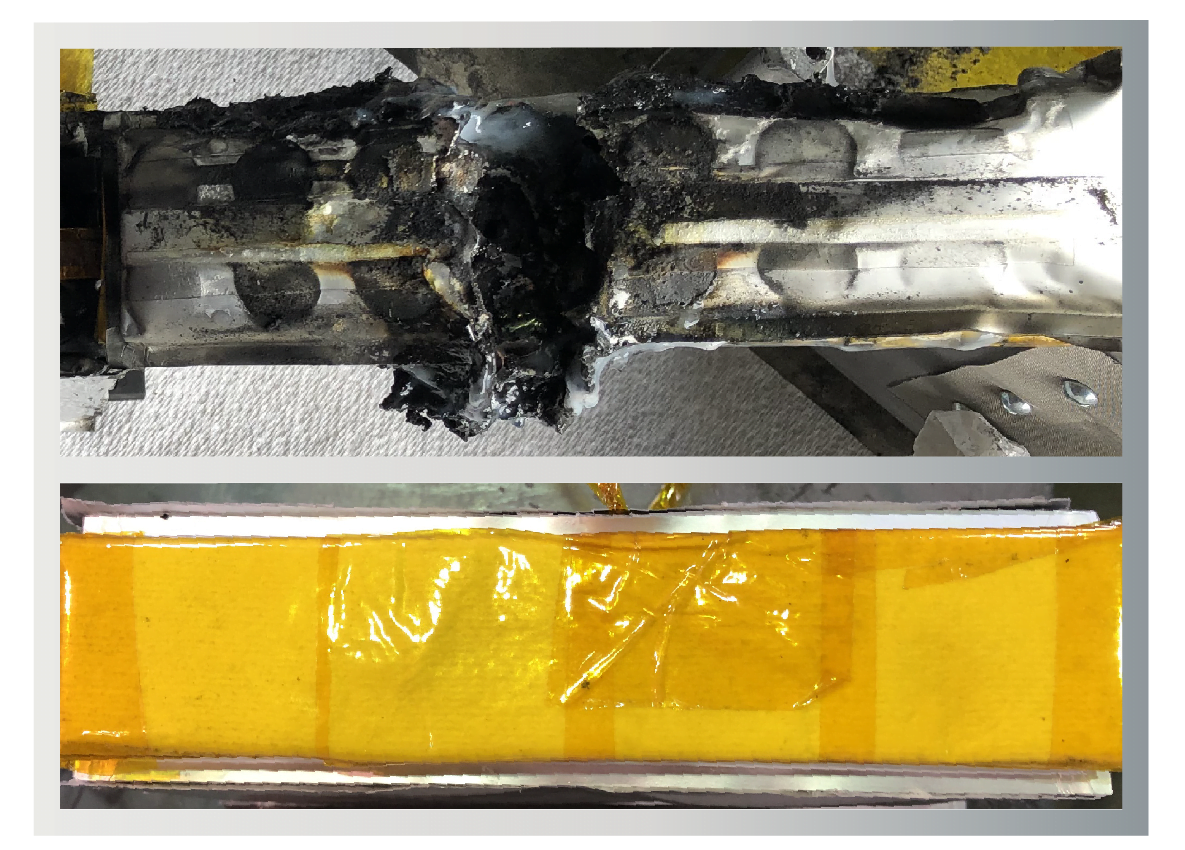
However…what happens if the battery pack catches fire anyway?
Flame retardant material becomes useless, and the results can be catastrophic.
Flame Retardant vs Flame Suppressant: What’s the Difference?
In the battery safety industry, the terms "flame retardant" and "flame suppressant" are often used interchangeably.
However, these two concepts are fundamentally different, and understanding this distinction is critical for ensuring battery safety and integrity.
Flame Retardant
Definition: A flame retardant is a material or chemical compound added to products to slow down or resist combustion. For instance, flame retardant agents are commonly used in fabrics and plastics to prevent them from catching fire under extreme conditions.
The problem is that many solutions on the market present flame retardant as the solution for battery safety. If you’ve got it, your bases are covered.
It’s simply not the case.
You’ll hear flame retardant presented as the proactive, preventive solution to “stop flames before they ever happen.”
It sounds great, but in certain thermal runaway conditions, flames are inevitable—even if you have flame retardant materials in place.
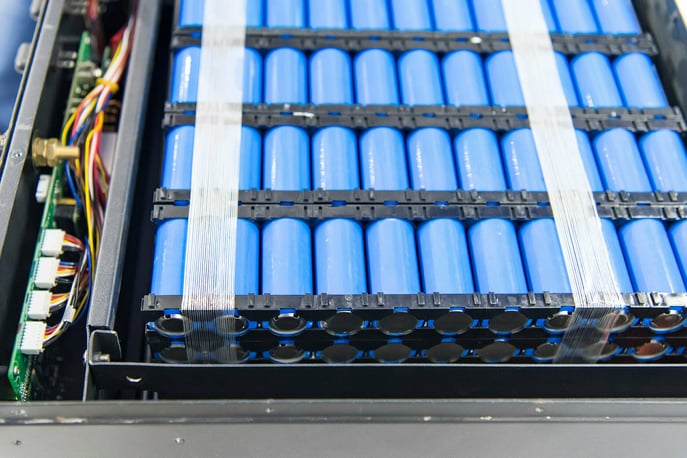
The truth is that with a flame retardant approach, you can only add so much material within a given solution or battery pack environment because of space constraints.
On top of that, there are many common misconceptions around the UL FR certifications that engineering typically relies on, such as UL94 ratings. These ratings don’t always tell the whole story and are not necessarily indicative of being able to prevent thermal runaway, for two reasons.
The first is that these ratings simply measure the flame retardant ability of the material itself and not the suppressing ability within the system, which is an essential piece of the puzzle.
The second is that it’s a very benign test compared to the extreme conditions that typically occur during a real-world thermal runaway event in a Li-ion battery pack.
Now, I’m not saying that flame retardant materials aren’t important. Of course, they are—and we should be implementing them wherever possible to prevent flames from occurring. However, once those catastrophic thermal runaway events do take place…these materials can’t help.
That’s where flame suppressant comes in.
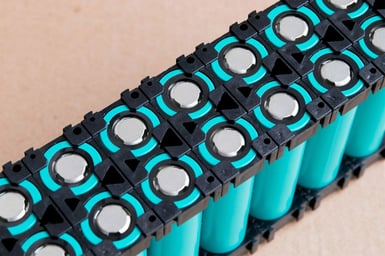
READ: How Does Thermal Runaway Impact Lithium Ion Batteries?
Flame Suppressant
Definition: A flame suppressant is a material or agent specifically designed to extinguish or control the spread of flames once they have ignited.
Here’s the key differentiator for flame suppressant solutions: actively putting out flames once they’ve started, or at least controlling the spread so that it doesn’t lead to catastrophic failure.
Flame retardant cannot do that, and that distinction is very important.
When a thermal runaway event occurs, the battery can create torch-like flames, high-temperature venting, and molten ejecta. You can imagine the damage this type of event could do to a drone, factory robot, or consumer product if there’s no flame suppressant solution in the battery pack.
So, how do flame suppressant materials work?
Flame suppressant materials include various systems and substances, such as:
-
Chemical agents: Like halon or foam that can smother flames
-
Fire extinguishers: Devices that release suppressants to put out fires
-
Encapsulated agent materials: Typically hydrated or mineral-based, they activate once the thermal runaway event has begun
-
Fire suppression systems: Automated systems that detect and extinguish fires in specific environments, such as battery packs or industrial settings
Think of it this way: umbrellas are great to have to prevent yourself from getting wet in the rain. But if you’re already wet, you don’t need an umbrella—you need a towel.
Flame suppressant materials offer the safest, most complete solution for a few reasons:
- Flames are inevitable during thermal runaway
- Flame suppressants offer active fire control with immediate response
- Space constraints in the battery pack limit the effectiveness of flame retardant materials
-
Regulatory standards are increasingly prioritizing flame suppression systems
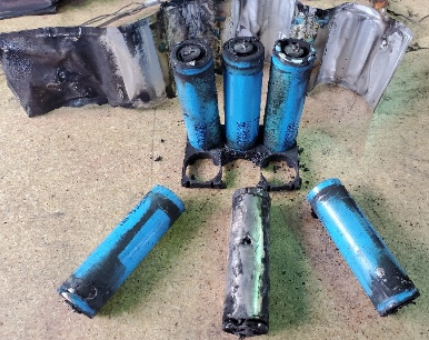
READ: Why ‘No Propagation’ Isn’t Enough if Flames Persist
Your Go-To Flame Suppression Solution
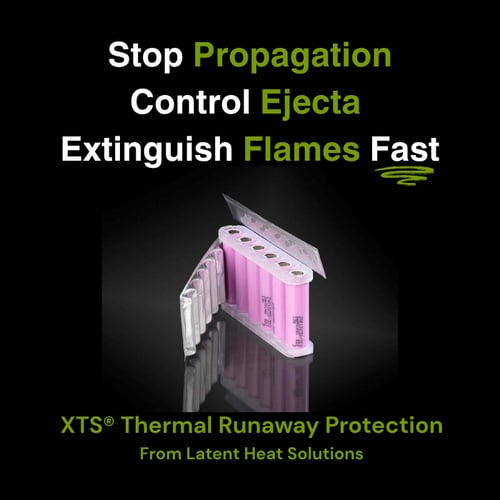 If you’re looking for a solution that keeps battery packs safe, effective, and long-lasting, look no further than XTS® by Latent Heat Solutions.
With both flame suppressant and flame retardant properties, XTS® prevents thermal runaway and the dangers that come with it. It’s designed to fit into tight systems without any major impact on the overall configuration of your battery pack—so, no concerns with space constraints.
When customers tell us that they already have a flame retardant solution in place, they usually haven’t undergone the level of rigorous testing that XTS® has undergone, and that’s where the difference lies.
Remember, flames are inevitable under extreme thermal runaway conditions. And when that happens, flame retardant solutions won’t help.
If your priorities include preventing catastrophic failure in your battery packs, let’s talk.